Why a missing tooth matters, even at the back
A gap you cannot see still changes your mouth. The teeth on either side tilt into the space, the tooth above or below it grows longer because nothing stops it, and the bone that once held the root shrinks by up to a quarter in the first year. Chewing shifts to the other side, which wears those teeth faster.
An implant is the only replacement that stops the bone loss, because chewing on it stimulates the jaw the way a natural root does. That is the main reason dentists recommend implants over bridges when the budget allows.
Implant systems we use
An implant has three parts: the titanium post in the bone, a connector called the abutment, and the crown you see. The post and abutment come from an implant company; the crown is made in a dental laboratory.
Osstem (Korea) and Bredent (Germany) are well-researched titanium implants with success rates that match the premium brands in everyday cases. They are our usual choice for a single back tooth.
Straumann (Switzerland) has decades of published data, a surface treatment that speeds up bone bonding, and the largest range of components. It earns its extra cost in front-tooth cases where the gum shape matters, in patients with softer bone, and in full-arch work where every part must fit perfectly.
The crown material is a separate choice. Zirconia crowns are strong and tooth-coloured and suit most cases; layered ceramic crowns give the most natural look for front teeth.
What the surgery is really like
You arrive, the area is numbed with the same local anaesthetic used for a filling, and you wait a few minutes for it to work. Dr. Upasana makes a small opening in the gum, prepares a channel in the bone with gentle drills under a stream of saline, and places the implant. You feel vibration and pressure. There is no pain. A stitch or two closes the gum. From sitting down to standing up is usually under an hour.
That evening the area is sore, the way a bruise is sore. Ice, a soft diet and the tablets we give you cover it. Swelling peaks on day two and is gone within a week. Most patients are back to their normal routine the next day and eating normally on the other side within a few days.
Why patients choose i-Smile for implants
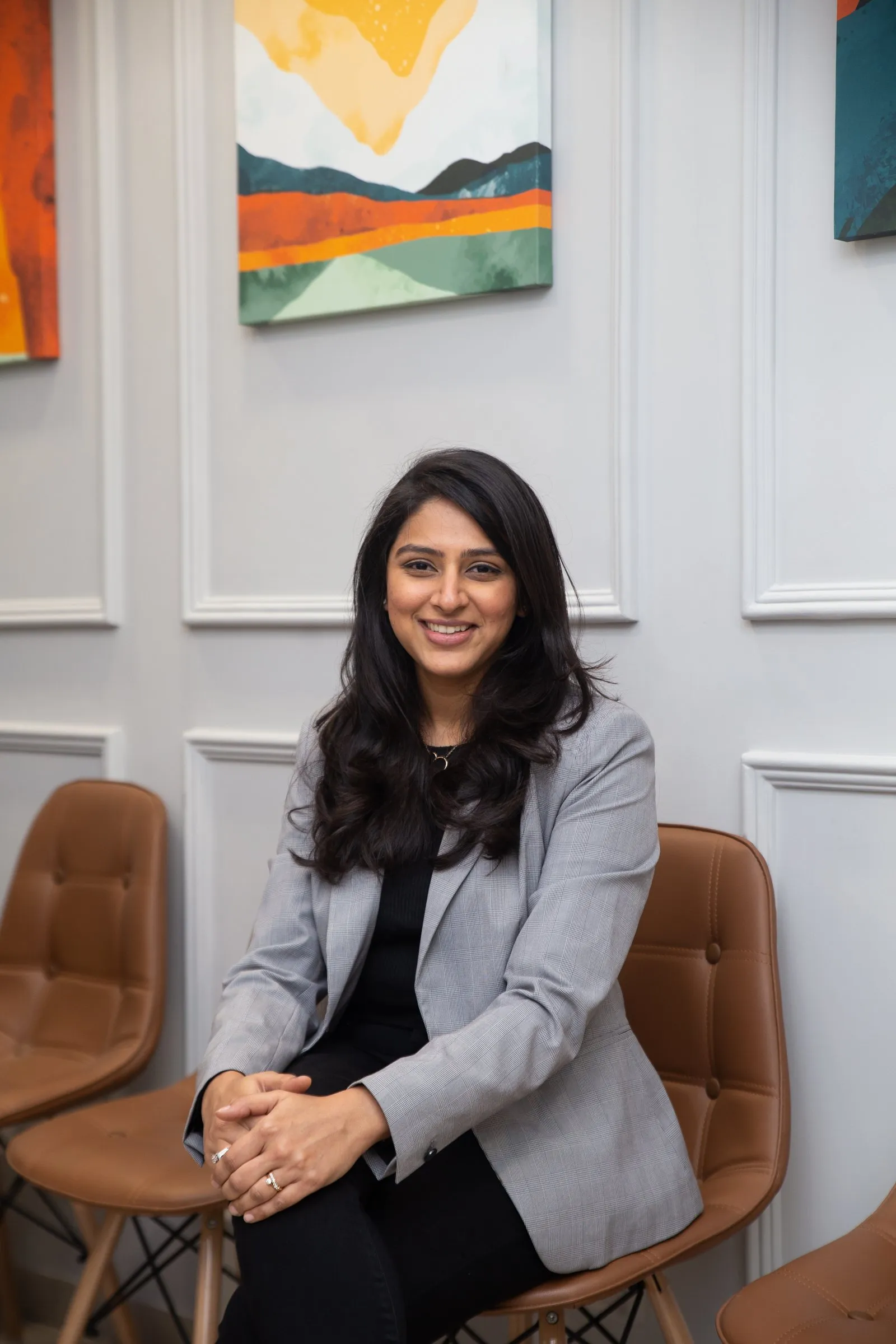
- Trained and experienced. Dr. Upasana completed hands-on clinical training in implant dentistry at MUHS Nashik in 2010 and has placed over 275 implants since. She does the planning, the surgery and the crown herself.
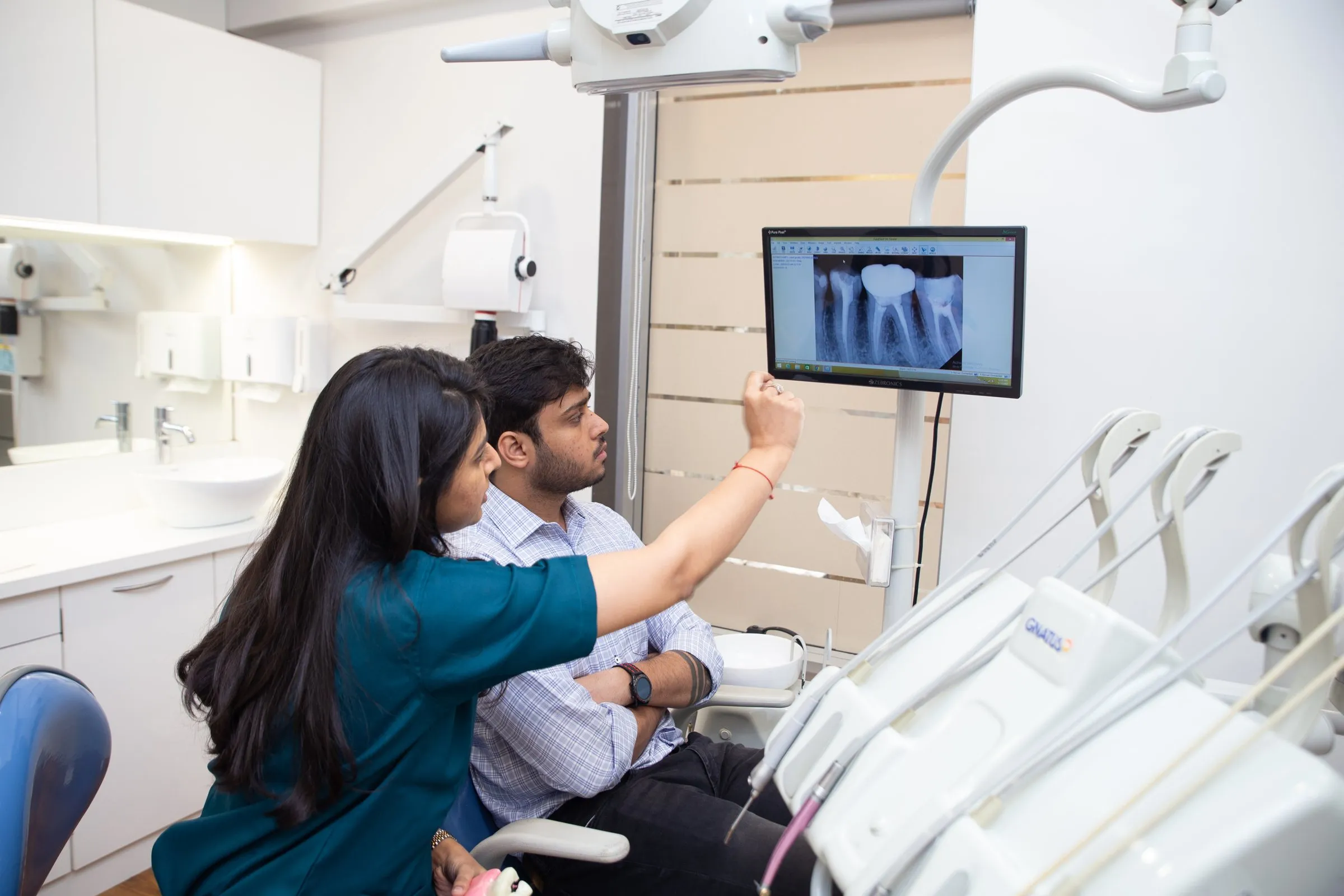
- Digital planning. Digital X-rays and, where needed, a 3D scan mean the implant position, size and angle are decided before you are in the chair, not during surgery.
- Honest about grafts and timelines. If you need a graft or a longer healing period, you hear it at the planning visit with the cost included, not halfway through.
- A written, all-inclusive quote. Implant, abutment, crown, visits and one year of follow-up are in the price we quote. Compare quotes line by line; a low headline price often excludes the crown.
- Evening and Saturday slots for the short review visits, so treatment fits around work.
Looking after an implant
An implant cannot decay, but the gum around it can become inflamed just like around a natural tooth. Brush twice a day, clean between the teeth with floss or an interdental brush, and come for a cleaning every six months. Avoid smoking. If you grind your teeth at night, a night guard protects the crown. Do that and the implant should outlast most things you own.
What changes the price
- Implant system. Premium brands cost more than standard ones.
- Crown material. Zirconia or layered ceramic for front teeth costs more than metal-ceramic.
- Bone grafting or sinus lift, when the bone is not tall or wide enough.
- Number of implants. Several implants placed in one visit are priced lower per implant.
- Temporary tooth during healing, usually for front teeth.